
This template includes sections to help you:
Reflect and Adjust: Providing space to review your progress and make necessary modifications to your plan.
Clearly Define Your Goal: This involves stating exactly what you want to achieve.
Make it SMART: Guiding you to ensure your goal is Specific, Measurable, Achievable, Relevant, and Time-bound.
Identify Your Motivation: Exploring the “why” behind your goal to strengthen your commitment.
Outline Actionable Steps: Breaking down your main goal into smaller, manageable tasks.
Determine Necessary Resources: Identifying what you’ll need (e.g., equipment, support, information) to succeed.
Establish a Timeline: Setting realistic deadlines for your overall goal and the individual steps.
Plan for Tracking Progress: Deciding how you will monitor your achievements and stay motivated.
Consider Potential Obstacles and Solutions: Thinking ahead about challenges and how you might overcome them.
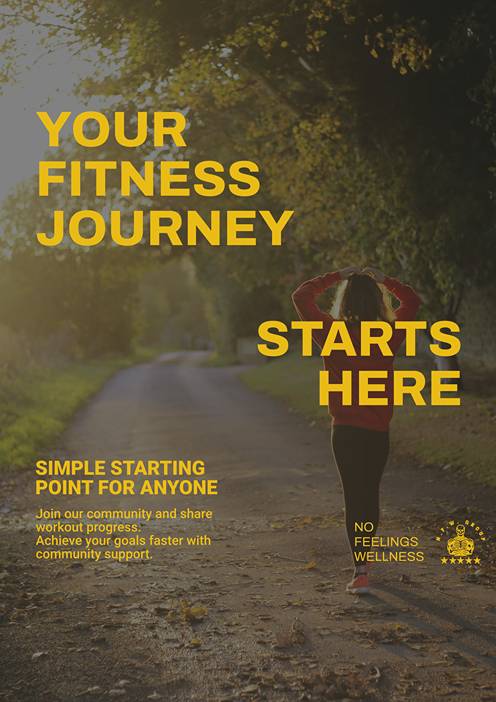
Unleashing your full potential on your wellness journey begins with clear direction. Without a defined target, your efforts can feel scattered and less impactful. That’s where the power of goal setting truly shines. It’s about more than just wishing for change; it’s about strategically charting a course that transforms aspirations into tangible achievements.
When you establish well-defined objectives, you create a roadmap for success. You gain clarity on what you’re striving for, why it matters to you, and the specific steps required to get there. This foresight allows you to anticipate hurdles, gather the necessary support and resources, and celebrate milestones along the way. Ultimately, intentional goal setting provides the structure and motivation needed to navigate the exciting, yet sometimes challenging, path to a healthier, more vibrant you.
“the path to peak performance isn’t paved with wishes, but with precise goals. Define your destination, and your dedication will sculpt the way.”
No Feelings Wellness
In fitness, “SMART goals” is an acronym representing a framework for setting effective and achievable objectives. Each letter stands for a key characteristic:
- Specific: Your goal should be clear and well-defined, leaving no room for ambiguity. Instead of “I want to get fit,” a specific goal would be “I want to run a 5k.”
- Measurable: You need a way to track your progress and know when you’ve achieved your goal. For the 5k example, this is measurable by completing the distance.
- Achievable: The goal should be realistic and attainable given your current abilities and resources. It should challenge you but not be impossible.
- Relevant: Your fitness goal should align with your broader health aspirations and be personally meaningful to you.
- Time-bound: Set a deadline or a specific timeframe for achieving your goal. This creates a sense of urgency and helps with planning. For instance, “I want to run a 5k by October 31st.”